Comprehensive Plumbing Maintenance Checklist: Nomadic Plumbing's Best Practices Feb 07, 2026
Begin by conducting a thorough inspection of your plumbing system. Look for leaks or drips in all visible pipes. Even a small leak can result in significant water waste and potential damage over time. Pay special attention to joints and accessible areas under sinks and near fixtures. Use a flashlight to better inspect darker corners or spaces.
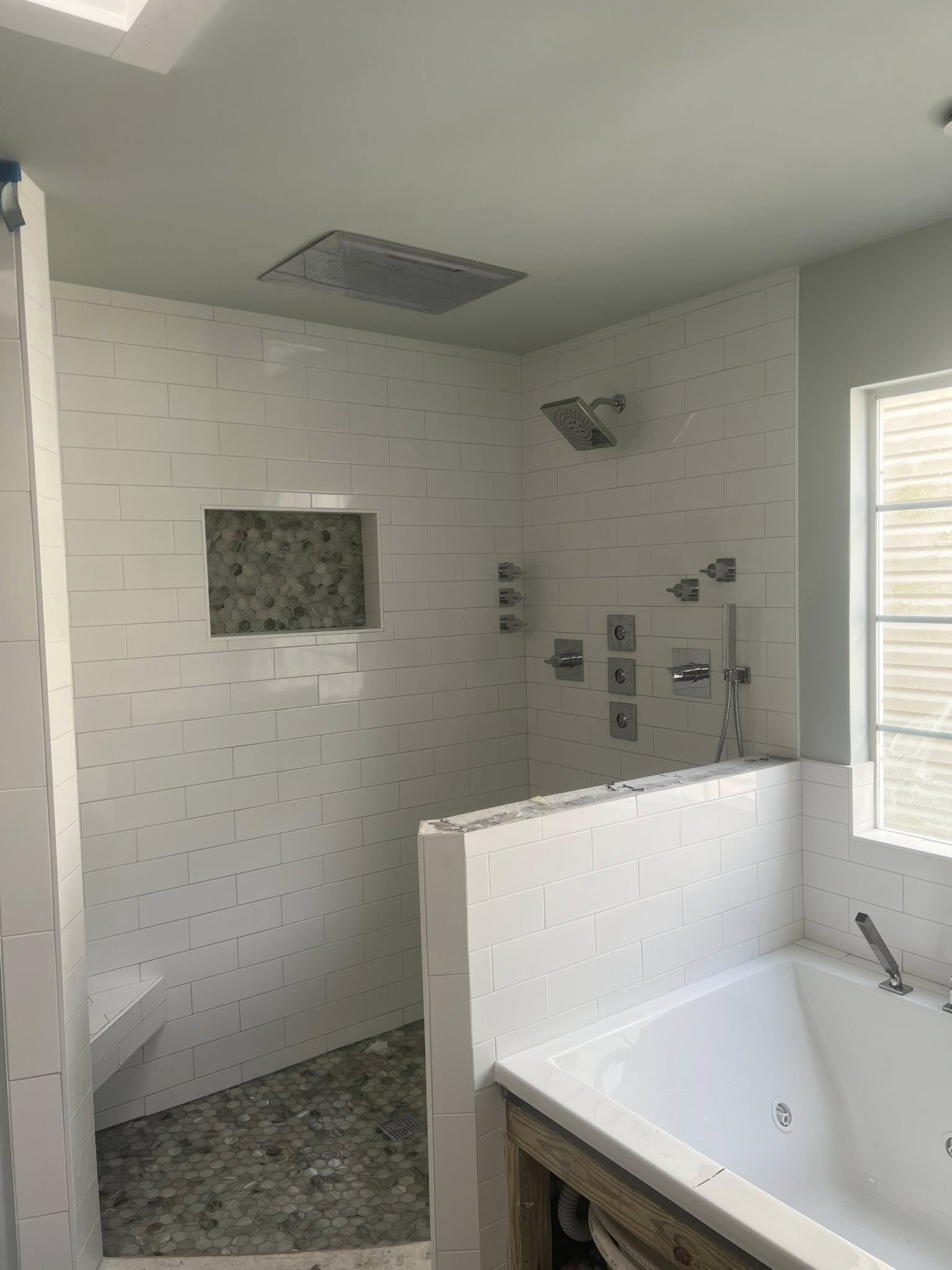
Next, focus on your faucets and showerheads. Check for consistent water flow and any signs of rust or mineral buildup. If you detect a decrease in water pressure at faucets or showerheads, you may have a clog or buildup issue. Consider unscrewing these fixtures and soaking them in a vinegar solution for a few hours to loosen mineral deposits.
Toilets are another crucial component of any household's plumbing system. Check for leaks by placing a few drops of food coloring in the tank. If the color appears in the bowl without flushing, you have a leak. This type of leak is usually due to a worn-out flapper or faulty fill valve, both of which are relatively easy to replace. Additionally, ensure that the toilet fills properly and does not continue running after flushing.
Water heaters are often overlooked in maintenance routines, yet they play a critical role in home comfort. Start by checking the temperature setting on the thermostat. Ideally, it should be set around 120 degrees Fahrenheit to ensure efficiency and prevent scalding. Inspect around the base for any signs of leaks or corrosion. Flushing your water heater once or twice a year can help remove sediment buildup, which can diminish the unit's efficiency and lifespan.
Drains are another aspect often only considered when they become problematic. To maintain free-flowing drains, avoid disposing of oils, fats, or grease down the kitchen sink, as these substances can solidify and cause blockages over time. Use drain strainers to catch hair and debris in bathroom drains. If you notice slow drainage, a mixture of baking soda followed by vinegar can help clear minor clogs without harsh chemicals.
Don’t overlook exterior plumbing elements. Check outdoor faucets, hose connections, and irrigation systems for leaks or damage. Ensure that any outdoor pipes are insulated, especially as temperatures drop, to prevent freezing and bursts.
Finally, consider scheduling an annual professional inspection with a trusted plumber like Nomadic Plumbing. Professionals can spot potential issues that might not be obvious to the untrained eye. Regular maintenance from an expert will provide peace of mind, knowing your plumbing system is always in top condition.
In summary, proactive plumbing maintenance is an investment in your home's infrastructure. By regularly inspecting and maintaining your plumbing system, you can catch small issues before they escalate into costly repairs. Following Nomadic Plumbing's checklist can ensure that your home remains comfortable, efficient, and free from unexpected plumbing problems. Taking these simple steps will save both money and resources in the long run, securing reliable service for years to come.
/filters:no_upscale()/filters:format(webp)/media/2e7f1df4-7c50-4292-a105-b872e5c764fb.jpeg)